The ACLU of Georgia plans a march to Monday's City Council meeting. The mayor's surveillance technology ordinance has sat in committee since Sept. 21.
The ACLU of Georgia and its supporters plan to march to Atlanta City Hall on Monday to press the City Council on surveillance technology. They want an ordinance that gives residents a say in how the city buys and uses cameras, license plate readers and similar tools.
The group announced the march in a release Thursday. It said the ordinance the council is weighing “lacked meaningful community oversight” and “has stalled in committee with no movement toward adoption.”
Overview
- What: a march and public comment at the City Council’s regular meeting
- When: Monday, Nov. 16, from 11:15 a.m. to 2 p.m.; the council meeting starts at 1 p.m.
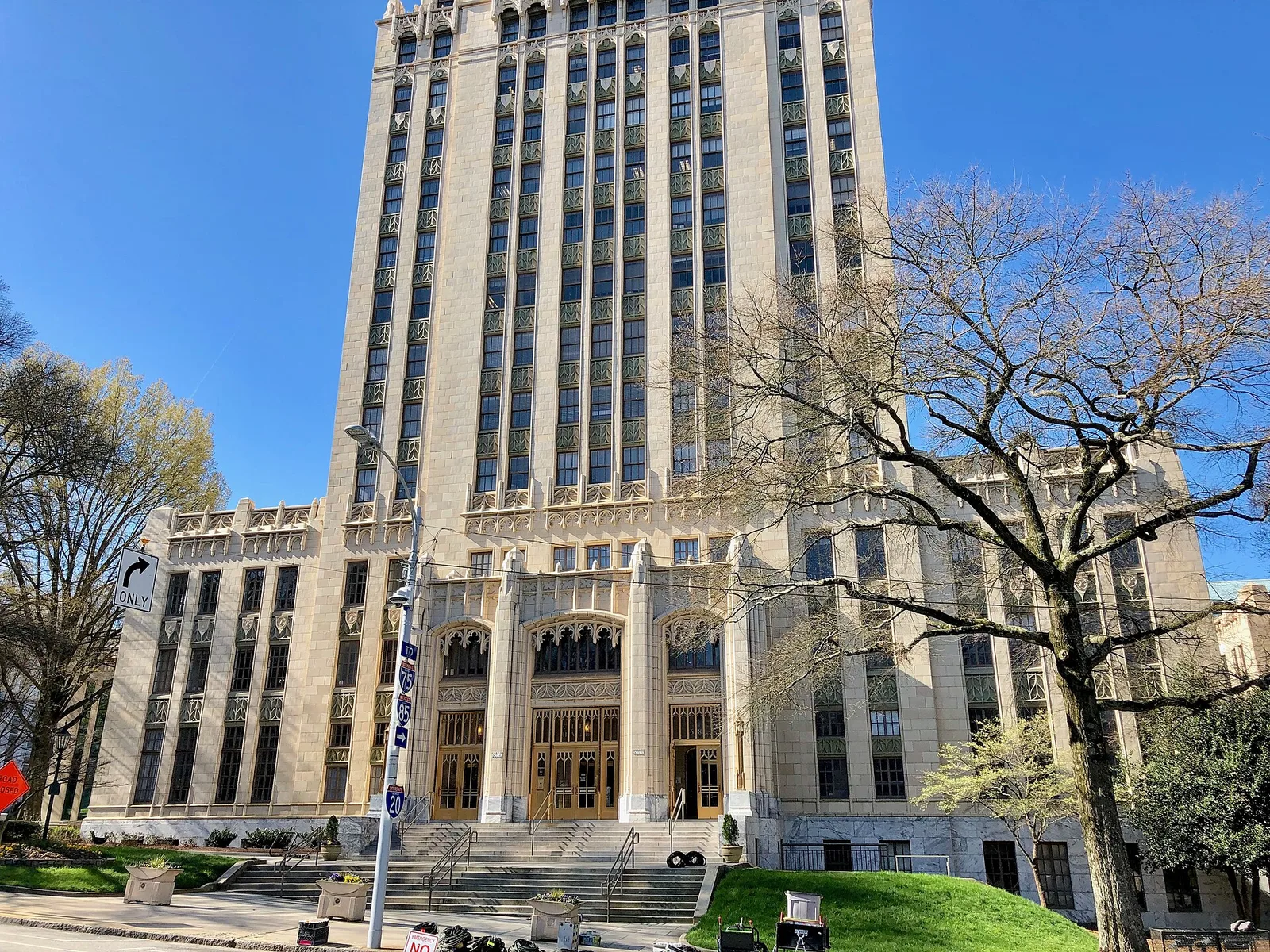
- Where: marchers meet at the Forsyth and Peachtree streets entrance of Peachtree Center MARTA Station and walk to City Hall, 55 Trinity Ave. SW
- The legislation: ordinance 26-O-1401, introduced Sept. 21 and still in the council’s Public Safety and Legal Administration Committee
Where the ordinance stands
Mayor Andre Dickens announced the legislation Sept. 22. District 4 council member Jason Dozier is its lead sponsor, and nine other council members signed on, according to the council’s legislative record.
The full council sent it to committee at its Sept. 21 meeting. The record shows it was then held in the Public Safety and Legal Administration Committee three times:
It was on the committee’s Nov. 9 agenda with a note that a substitute version would be brought forward. The online record showed no outcome for that meeting when we checked Thursday.
The ordinance is a dual referral. Once the public safety committee makes a recommendation, it goes to the Finance/Executive Committee before a full council vote. The public safety committee’s next scheduled meeting is 1 p.m. Monday, Nov. 23.
Dickens said in a Sept. 15 release that his administration would work with the council toward approving the legislation within 60 days of its introduction. Sixty days from Sept. 21 is Friday, Nov. 20.
What the ordinance would do
The city’s current review of technology purchases is mainly based on cost. The ordinance would replace that with a review based on risk, the mayor’s office said. The ordinance text sorts surveillance technology into three levels:
| Level | What it covers | Review required |
|---|---|---|
| Level I | Routine or low-risk tools, replacement equipment and routine upgrades | Approved by the city’s technology department, Atlanta Information Management |
| Level II | Material surveillance technology | Impact report, use policy and review by a new panel |
| Level III | High-impact technology | Impact report, use policy, panel review, public notice and comment or a hearing, and a City Council vote before it is deployed |
The ordinance lists the kinds of technology it covers, including:
- automated license plate readers
- surveillance camera systems
- facial, voice, iris and gait recognition
- gunshot-detection systems
- body-worn and vehicle cameras
- social media monitoring tools
A seven-member Surveillance Technology Review Panel would review Level II and Level III proposals. Its members would be:
- the chairs of three council committees: Finance/Executive, Public Safety and Legal Administration, and Community Development/Human Services
- one resident appointed by the mayor
- one resident appointed by the council president
- an independent technical expert appointed by the ACLU of Georgia
- the chair or executive director of the Atlanta Citizen Review Board, or a board representative
Technology the city already uses would be inventoried within 90 days of the ordinance taking effect. Departments would then have 180 days to write impact reports and use policies for anything rated Level II or Level III. The text says existing systems do not need panel review or council reapproval just because they predate the ordinance. They would fall under its audit and reporting rules.
The Atlanta Police Department would audit its own use of Level II and Level III technology every month. The ordinance also bars vendors from selling or otherwise using city surveillance data for unrelated purposes. Temporary deployments are allowed during emergencies and major events, but continued use would have to go through the normal review.
Why it came up now
The legislation followed an audit Dickens ordered of the Police Department’s Flock license plate reader searches. In his Sept. 15 release, the mayor said the department audited 115,578 searches made in 2026. It flagged 79 of them, about 0.07%, for further investigation. The city said a flagged search is not a confirmed violation.
“Technology that gives government extraordinary capabilities must come with extraordinary accountability,” Dickens said in that release. “Public safety is not a blank check, and neither is privacy an excuse to deny law enforcement tools that can help save lives and solve crimes.”
Dozier said in the Sept. 22 release that he looked forward to working with colleagues and the public “to strengthen these protections and codify them into law.”
What it means for you
The march is open to the public. The ACLU’s event page asks people who want to speak during public comment to bring a written comment and a photo ID. It also asks marchers to wear black and comfortable shoes.
Residents who cannot attend Monday can follow the ordinance on the council’s legislative page for 26-O-1401. The page lists each meeting where it has been heard and the current text.
Have your say