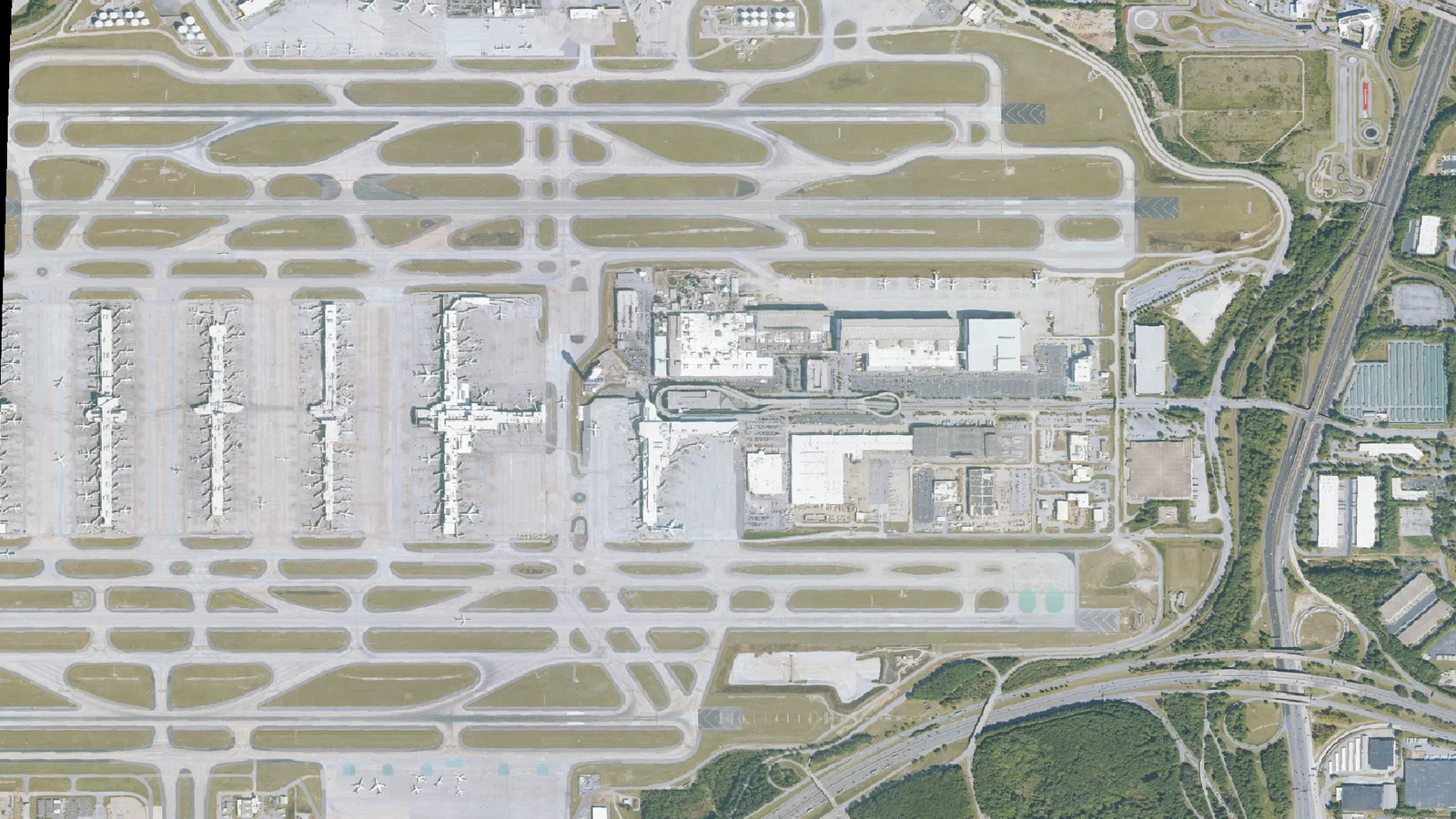
The suit, filed Monday in federal court, says Hartsfield-Jackson keeps spilling fuel, sewage and PFAS into the Flint River. It asks a judge to order the city to stop and pay penalties.
A river conservation group sued the city of Atlanta on Monday over pollution from Hartsfield-Jackson Atlanta International Airport. The city owns and runs the airport, which sits on top of the headwaters of the Flint River.
Flint Riverkeeper filed the suit in U.S. District Court for the Northern District of Georgia. The Southern Environmental Law Center represents the group. It says fuel, raw sewage, trash and PFAS, the so-called forever chemicals, keep reaching the Flint and two of its tributaries, Sullivan Creek and Mud Creek.
The complaint is a citizen suit under the federal Clean Water Act and the Resource Conservation and Recovery Act. The groups announced it Monday. Its claims have not been tested in court.
Overview
- Who sued: Flint Riverkeeper Inc., represented by the Southern Environmental Law Center
- Who was sued: the city of Atlanta, as owner and operator of the airport
- Where: U.S. District Court for the Northern District of Georgia, filed Monday, Nov. 16
- The claim: the airport discharges fuel, sewage, E. coli, trash and PFAS into the Flint River, Sullivan Creek and Mud Creek without a permit
- What it asks for: court orders to stop the discharges, and civil penalties of up to $68,445 a day for each day of violation
- The city’s side: the city had posted no response by Monday evening
What the complaint says
The complaint says more than 400 fuel spills have been documented at the airport in the past five years. At least nine of them reached the Flint River and its tributaries through the airport’s stormwater outfalls, it says.
It lists three major fuel spills in 2026:
- Late January to early February: about 28,000 gallons of fuel went into the Flint over eight days before it was found. The complaint says it set off “Do Not Drink” advisories downstream, including in Griffin.
- On or around April 22: an unknown amount of a petroleum product came out where the river emerges from under the runways. The complaint says Georgia’s Environmental Protection Division is still investigating.
- Memorial Day weekend: an estimated 26,500 gallons of fuel from an underground fuel line, according to reports the complaint cites.
On sewage, the complaint says one lift station has spilled into Sullivan Creek at least five times since 2018. The latest was about Sept. 16, when 33,000 gallons of untreated sewage reached the creek and caused a fish kill, it says.
On PFAS, the complaint cites sampling done for the group on Aug. 4. PFOS in the Flint rose from about 11 parts per trillion above the airport to 53.4 below it, it says. PFOA rose from about 11 to 72.9. The federal drinking water limit for each is 4 parts per trillion, the complaint notes.
What the two sides have said
“The City of Atlanta has reported over a dozen spills at the airport into the Flint and two tributary streams in just five years,” said Gordon Rogers, the Flint Riverkeeper. He said filing suit was “the only option at this point to hold the City accountable.”
“Voluntary promises have not stopped the pattern of spills and this river needs enforceable protection,” said April Lipscomb, a senior attorney at the Southern Environmental Law Center.
The groups first warned the city in a notice letter on July 29. The Clean Water Act requires that notice before a citizen suit, and the complaint says more than 60 days have passed since it was sent. Their release says the state’s Environmental Protection Division has taken enforcement action over fuel and sewage spills at the airport in the past.
The city had not responded publicly. Its press release list carried nothing on the suit Monday evening. We will add the city’s response when it gives one.
What it means for you
- Downstream drinking water: the Flint supplies drinking water to more than 400,000 people in Clayton, Coweta, Fayette, Pike and Spalding counties, the groups said. Clayton County and Griffin draw part of their supply from the river below the airport.
- What happens next: the claims are allegations until a federal judge rules on them. The city has not yet filed a response in court.
Have your say